
Setting the Stage
There is a broken paddle at Camp Ozanam that has been spray-painted gold, with a burned circle on the blade. Every morning, to the chanting of "Oar, Oar, Oar, Oar" (like the sound a seal makes) the Program Director bestows it upon one cabin, who earns the highest honour the day has to offer: they go first at every meal. The Oar matters enormously.
This is the core of what Camp Ozanam actually is. Not the swimming, not the archery, not the campfires (though all of those are important). The core of it is the world we build together. A world with its own objects and its own mythology. And the remarkable thing is that when a kid walks off the bus for the first time, they can feel that world the moment they arrive even before anyone explains a single rule of it.
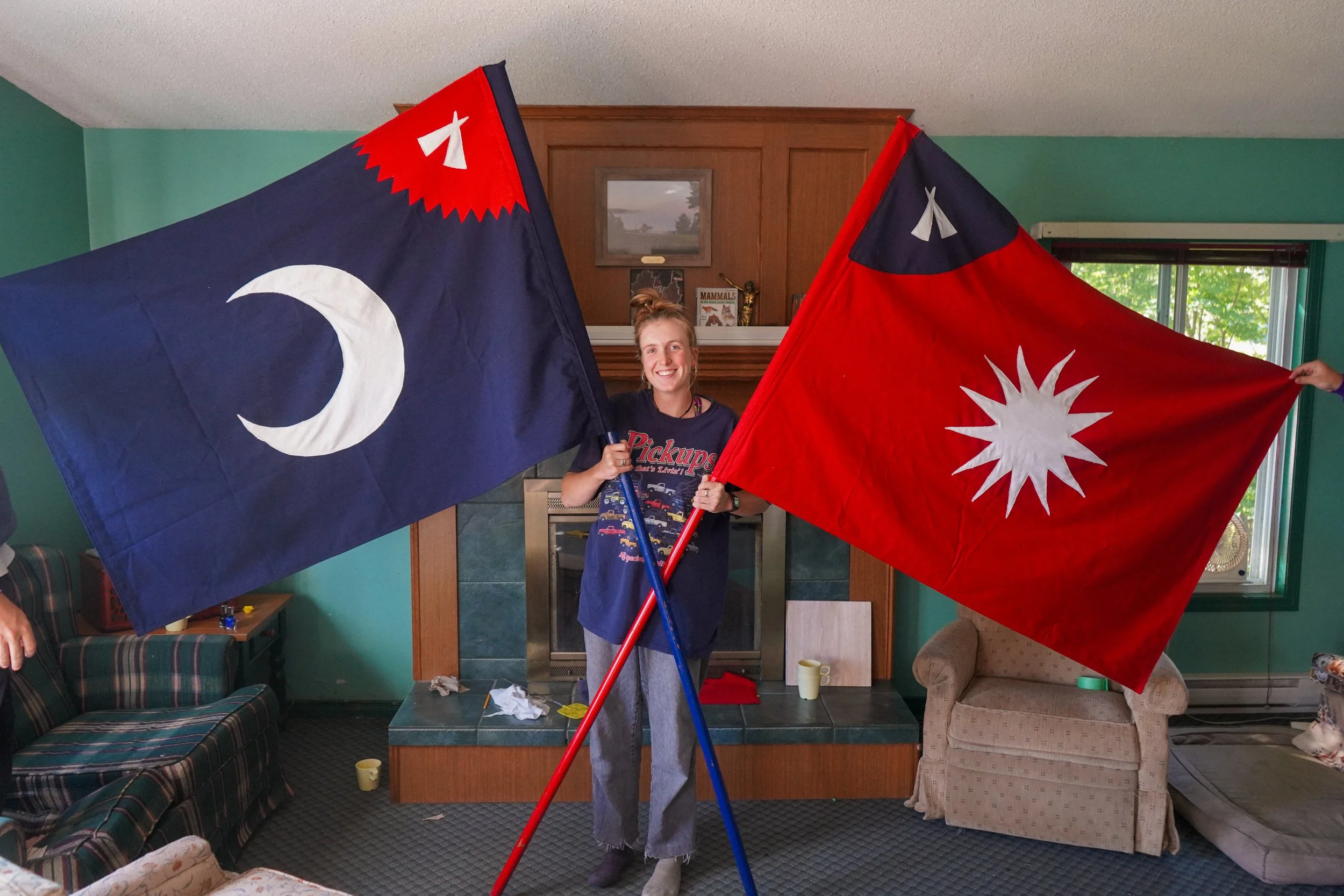
My sister, Quinn, posing with the beautiful new nation flags she handmade - some incredible objects.
They don't know what the Ore is yet. They just know that for some reason, they have the most important decision of their lives - blue or red? That the path through the woods has a hand-painted sign and a small, clearly homemade bridge over the creek. That the Rec hall has walls covered in plaques, floor to ceiling, going back further than they can imagine. They can feel that they have arrived somewhere with a history, and that the history is still happening, and that they are now part of it.
This is not an accident. It is the cumulative result of decades of people deciding that this place was worth taking seriously.
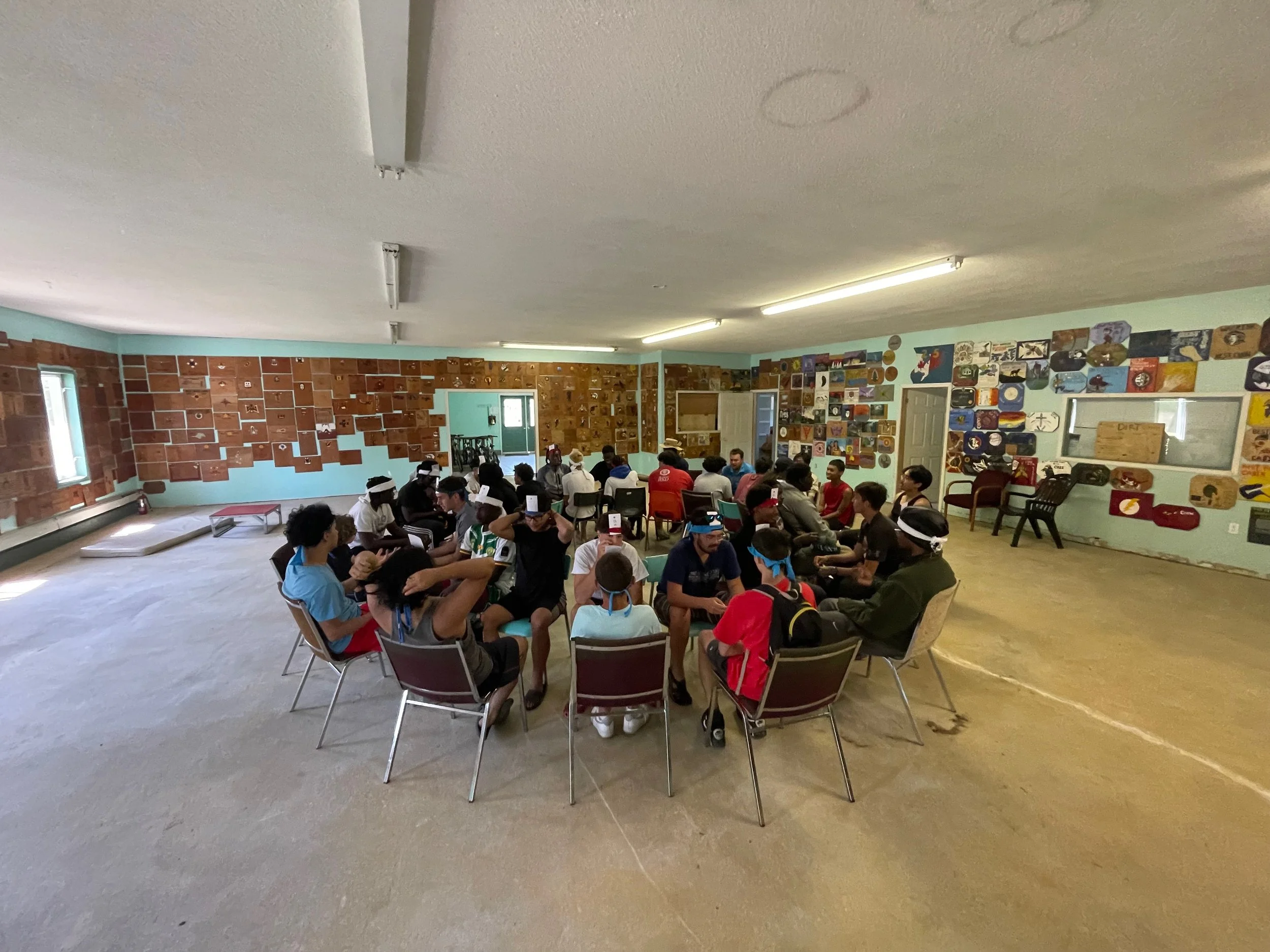
You can see the trends of plaque painting change over the years.
The Best Cabin plaques are probably the clearest expression of that. They are a physical timeline going back to around the 1950s, when the cabins still had numbers instead of names. Almost every week is up there. Every group of kids who showed up for each other, who swept when they were supposed to sweep, who cheered when it was hard, who briefly became the kind of community this place is always trying to grow. They're all on the wall. By name.
For a new camper, those plaques are a kind of proof. Proof that what they're being asked to care about this week is real. That other people cared about it too. That the weight of all those summers is standing behind them.
For a returning camper, it's something different: it's the chance to find themselves. To scan the rows until they see their own name, and feel the specific, irreplaceable thing that comes from being part of a place's story.
The staff plaques do something similar, thye’re hung up in our Kiva. They're signed with inside jokes and half-remembered song lyrics and the kind of shorthand that only makes sense to the people who were there. They are dispatches from summers past, sent by people who wanted to leave something of themselves behind. Reading them, you understand: this place mattered to people before me. It will matter to people after me. My job this summer is to add to it.
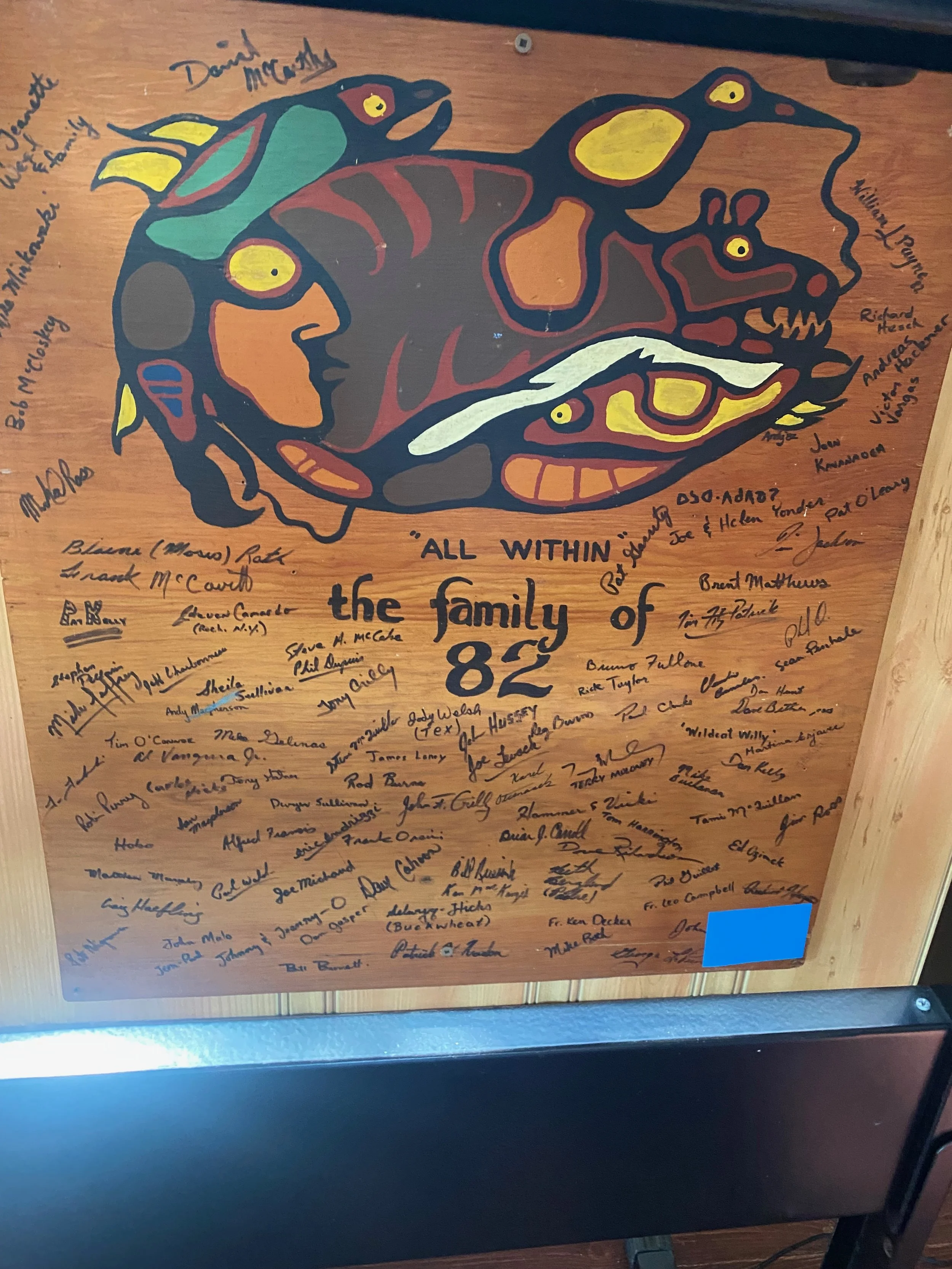
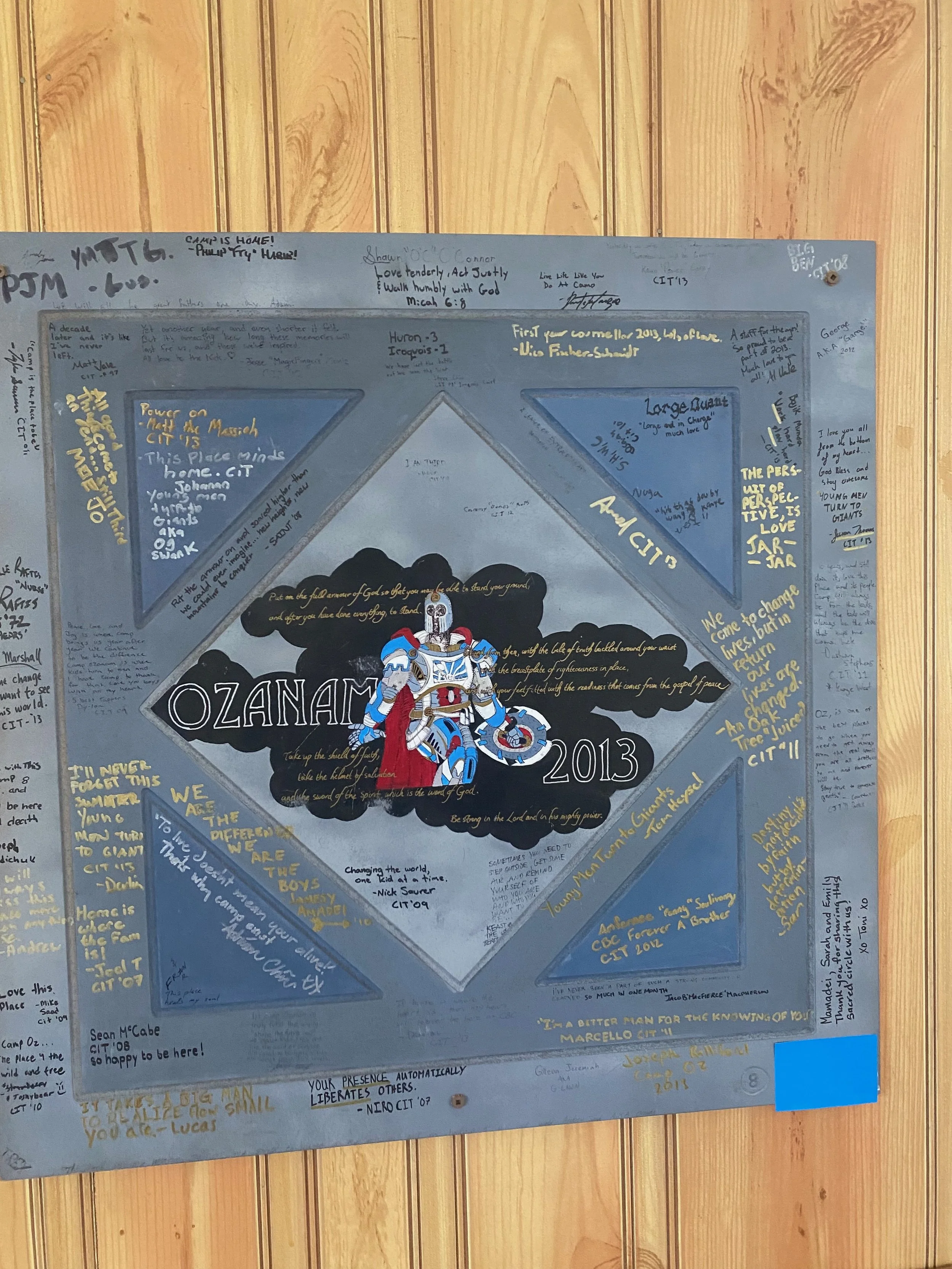
Even the smaller gestures carry this logic. Campers found that path through the woods and wore it into the earth through sheer repetition. Someone painted a sign for it at handicraft. It was theirs - unofficial, a little scrappy, entirely real. And then one year, we built a bridge over the creek, cleared the brush, and hung the camper painted sign proudly. Camp said: yes, this is a real place. It has a name. It belongs on the map.
What that communicates to every camper who has walked that path since is something quietly important. It says that what you make here gets kept. That the world of camp is alive, and growing, and that your contribution to it is worth preserving.
For the past three summers (2023, 2024, and 2025), I ran the CIT program, and every year my favourite week was the third one. Each morning session, instead of a typical session, we made things. Permanent things. In 2023, we built a tall signpost pointing campers toward the various corners of the property. In 2024, we gave the buildings the proper labelling they'd always deserved. In 2025, we built a gaga ball pit, strategically positioned in the shade in front of the nurse's cabin.
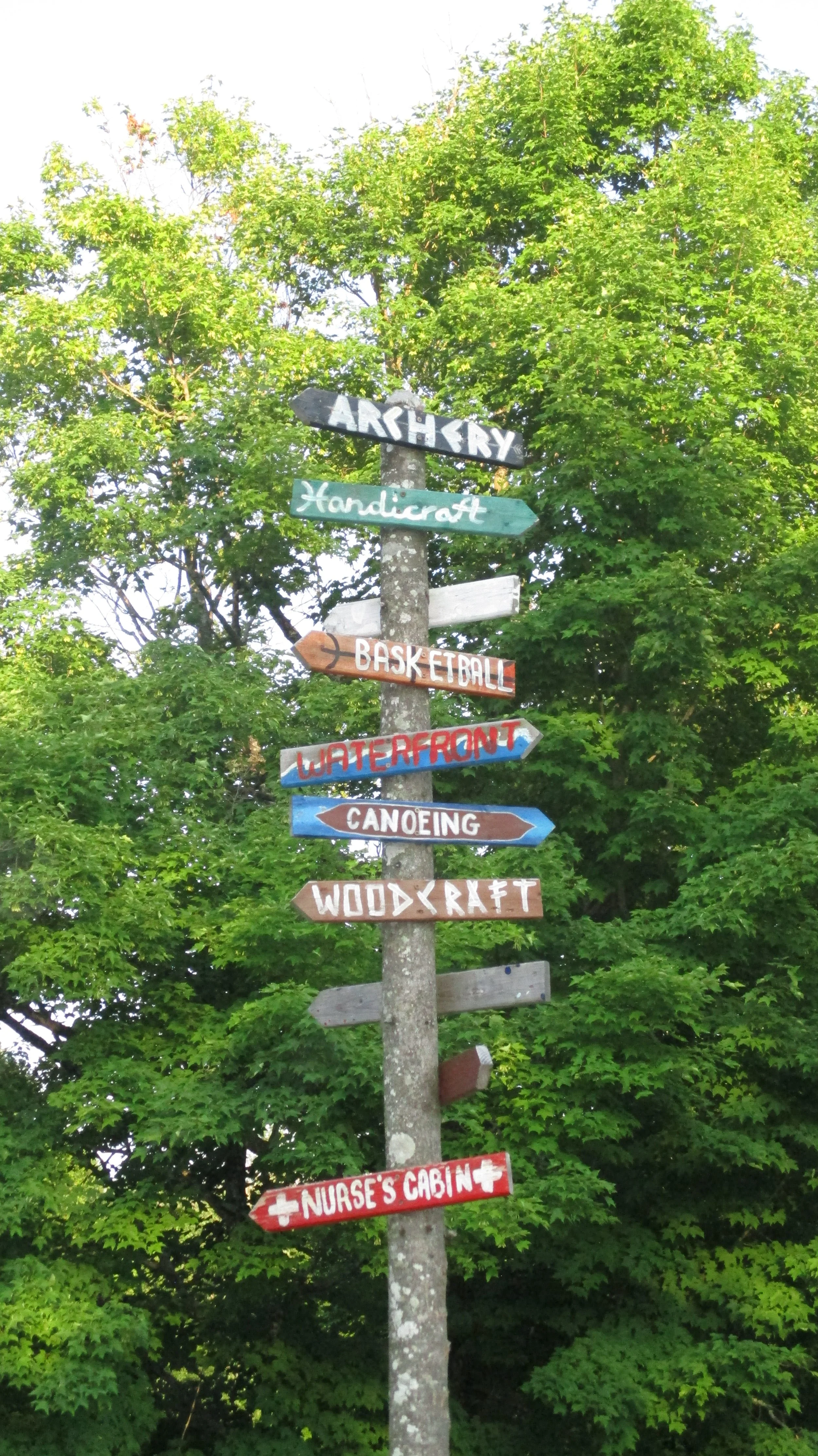
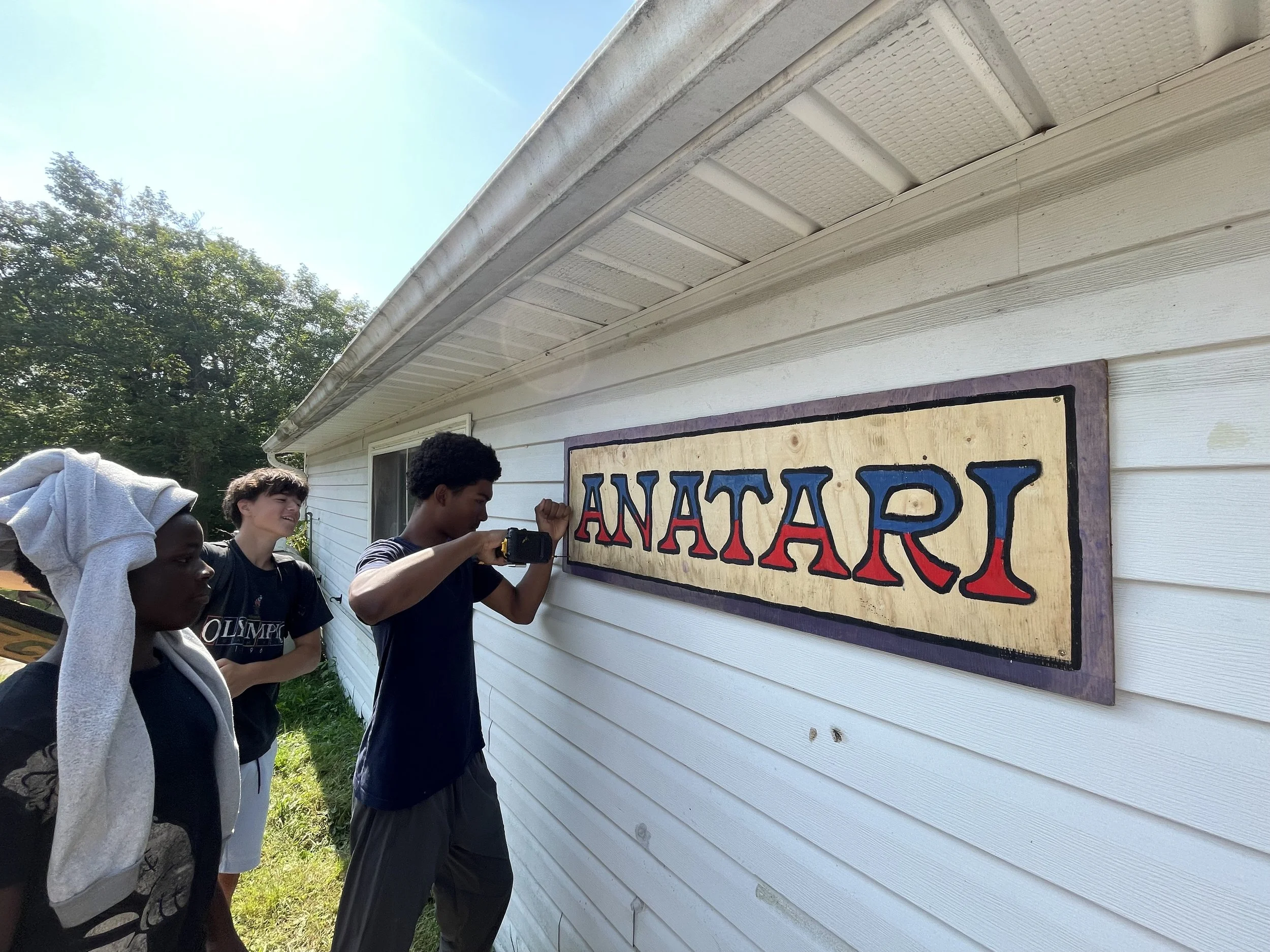
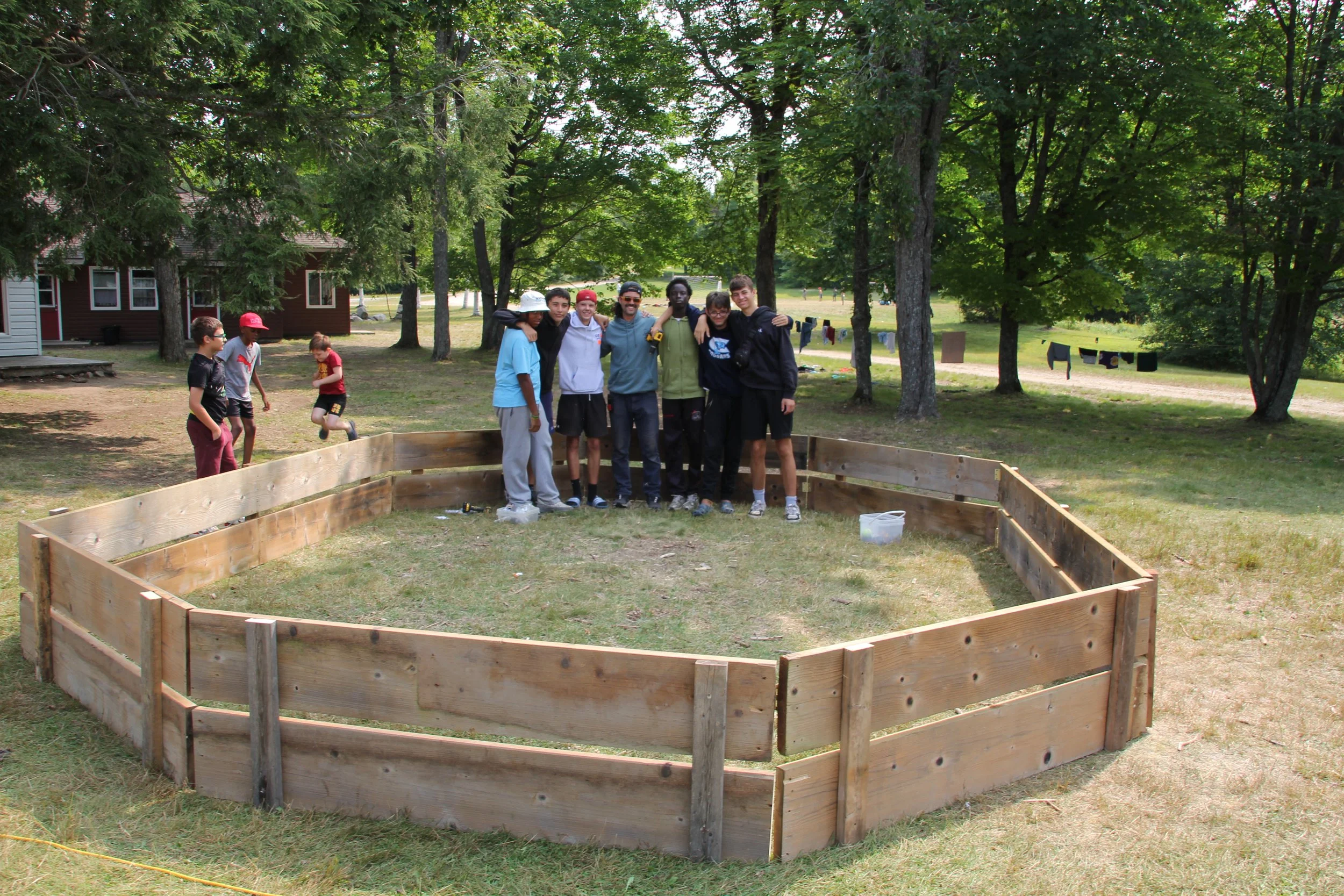
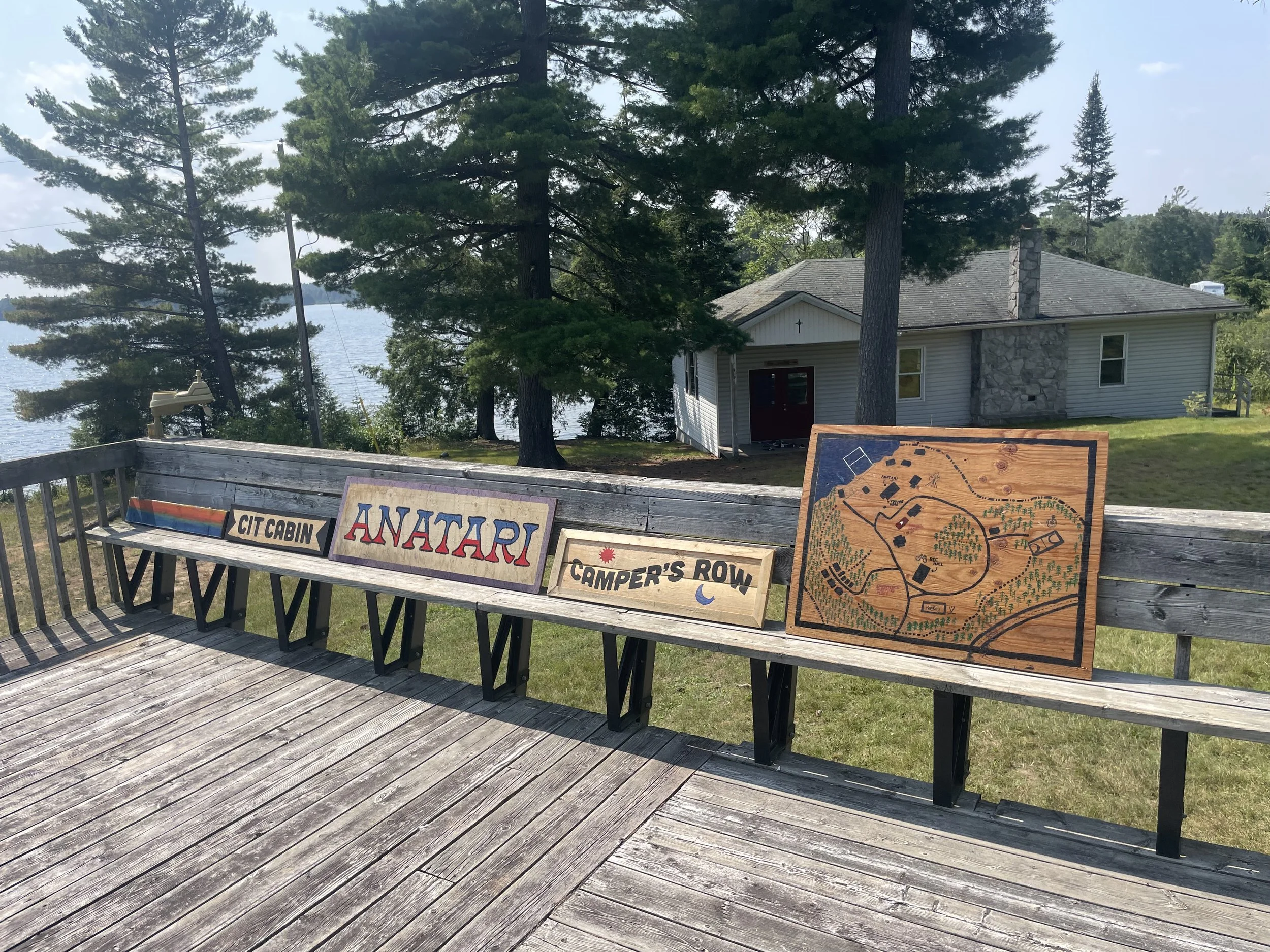
I'll be honest: the first reason I loved that week was logistical. An entire week of programming, sorted. Dream come true.
But the real reason was this: I wanted the CITs to have ownership over this place in a tangible way. Something they could walk past five summers from now and say, quietly or loudly depending on their personality, I made that. Because the lore of camp isn't handed down from above. It's written together, by everyone who has ever spent a summer here. The CITs were getting their chance to add a chapter.
Some counsellors stash their Best Cabin plaques in their luggage at the end of the summer. I understand the impulse. You want to hold onto the magic. You want to believe the object is a vessel, that a little of what happened that week can travel back with you into the regular world. But I hope there's a little guilt, too. And I hope that eventually those plaques find their way back to the walls where they belong, back to the conversation they've always been part of. Because the magic was never really in the object. It was in the making of it, and in the hanging it up.
If you're reading this and your connection to camp feels distant right now, I hope you can take solace in the fact that your Best Cabin plaque is on the wall. Your corny inspirational quote is on the staff plaque. You helped build this world. It's still standing. And every summer, a kid walks off the bus for the first time and feels it without knowing quite why.