
I grew up spending summers in cottage country, but the first night I was on the new camp property on Deer Lake I knew that I was looking at something different. Any person that has spent a night on the South River property has surely looked up and gazed at the Milky Way Galaxy, it really is a sight to behold. At night on the way to the CC, after having finished off some PB and J sandwiches at Cocoa-Go, staff will undoubtedly pause and look up to marvel at the stars. Staff will also sometimes plan a viewing by archery when it is a moonless and cloudless night.
Every year on August 12th, the annual Perseid Meteor Shower takes place. A number of people will find a spot to lie down and look up, with the one wooden platform that randomly exists by archery being a popular option; one is guaranteed to see many shooting stars if the sky is clear. I remember making a point of going there during our first summer on the property in 2016. Phil Habib and I told some people to join us at archery as that tonight was a night to watch the meteor shower. A small number of staff members trickled in and out over those few hours. At the same time over in the land section, a cabin or two had stayed up late in order to watch for some shooting stars. Over the years, more people have become aware of the show that is the Perseid Meteor Shower and have made a point to watch it. I will always remember chatting with Jamesy before heading to bed when I saw his reaction to a vivid shooting star and I turned around to catch a glowing remnant in the sky (he’s glad I saw it so that there was witness to it).
While most now know about the Perseids, what many don’t know is that there is a formal rating system for the night sky. Like the UV index which rates the intensity of the sun’s rays during the day, there’s an index for the night sky with a score assigned based on how visible the stars will appear in a given area. The Bortle Scale ranks the night sky from a Class 1 to Class 9, with downtown Toronto being Class 9, and places like the middle of Lake Superior Provincial Park and Hudson’s Bay being Class 1. The image below shows how the sky differs depending on the Class in the Bortle Scale. While I don’t know how precise this image is, it certainly gives an idea of the difference.
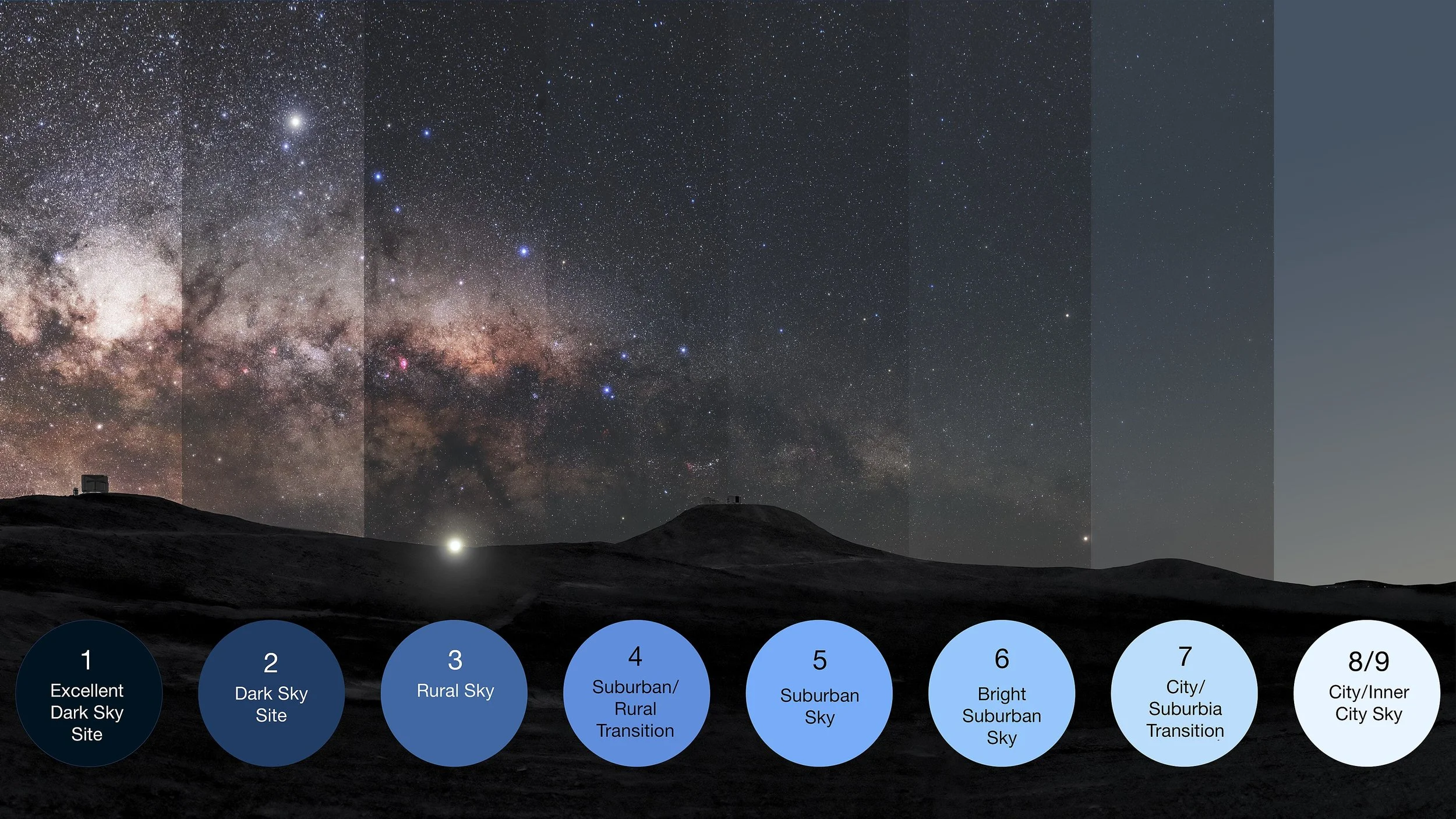
By ESO, CC BY 4.0, https://commons.wikimedia.org/w/index.php?curid=145950714
Where Camp Ozanam is situated, it is rated a 2.6 on the Bortle Scale, which is a great score! Deer Lake is far enough away from North Bay and Huntsville that the impact from light pollution is minimal. Mikisew Provincial Park, which is one lake over and a place visited by the Ozanam staff, rates a 3.2 on the Bortle Scale, while the town of South River has a score of 4.4 This shows how lucky we are for a rare and beautiful star-gazing experience.
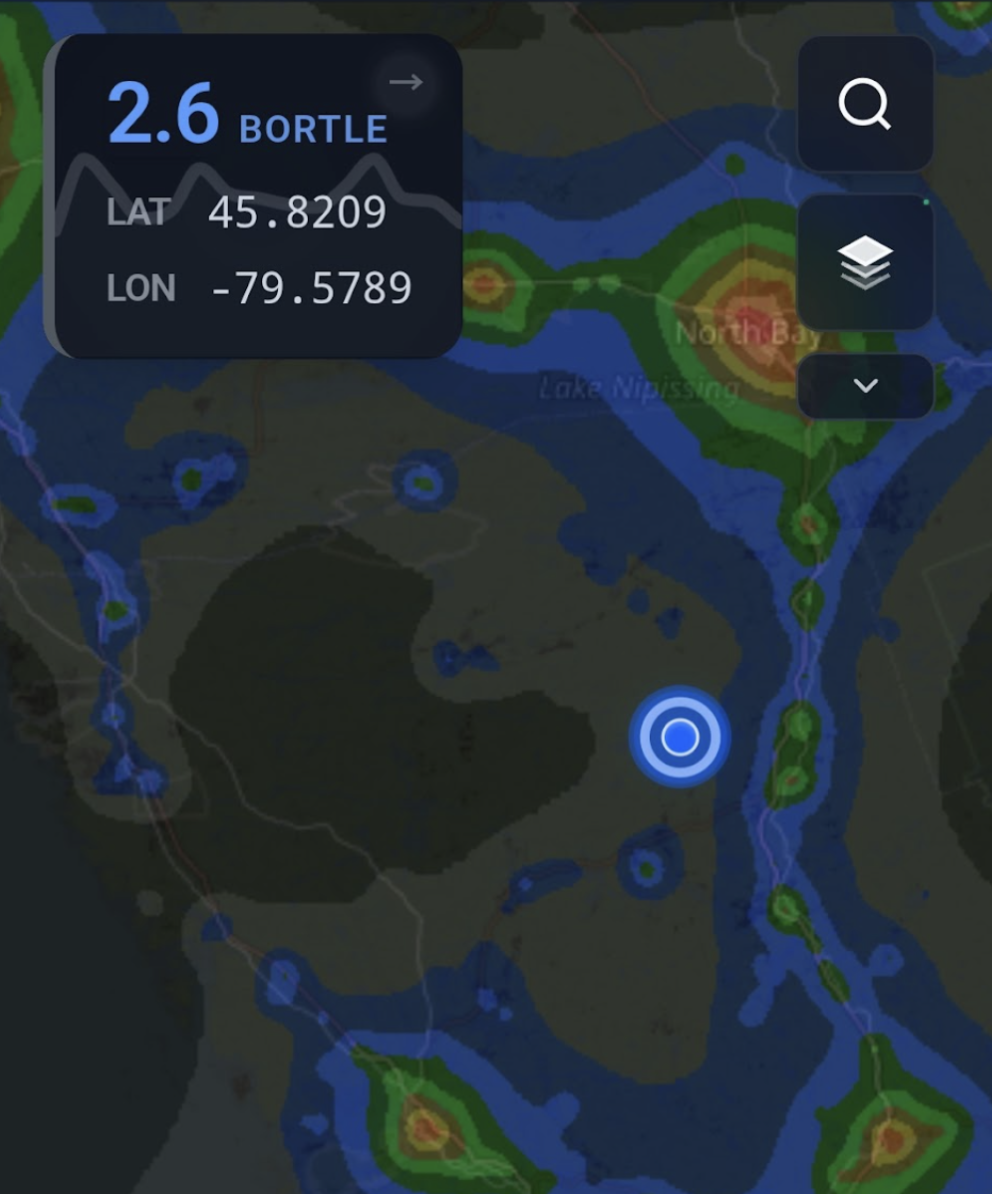
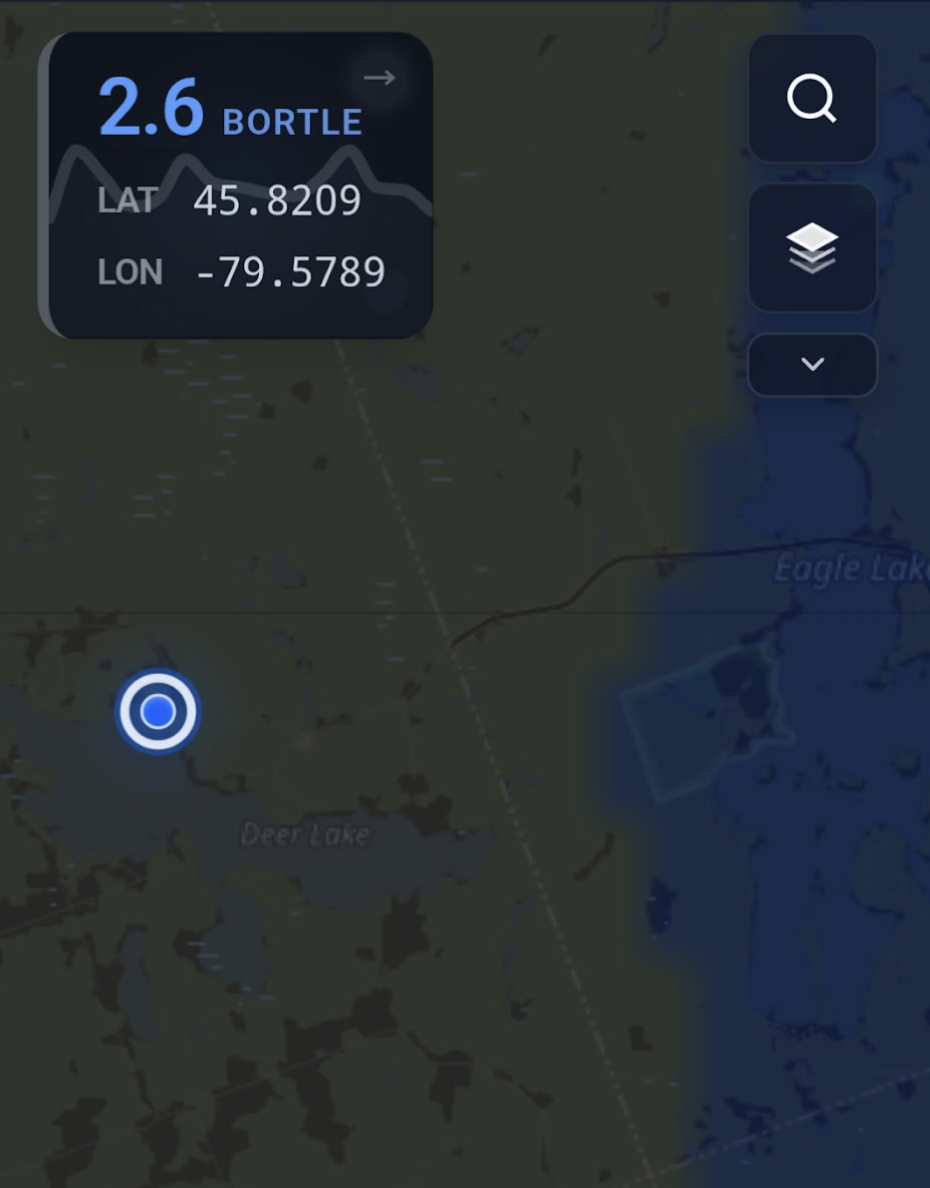
During this past summer we experienced a power outage one evening (well, actually a few evenings). On that particular night, I found myself really excited to look up because the sky was particularly striking. At some point I decided that I should try to get some photos. As anyone that’s tried to take photos of the night sky knows, it is difficult to get a good shot; fortunately I have a new phone so the photos were decent.
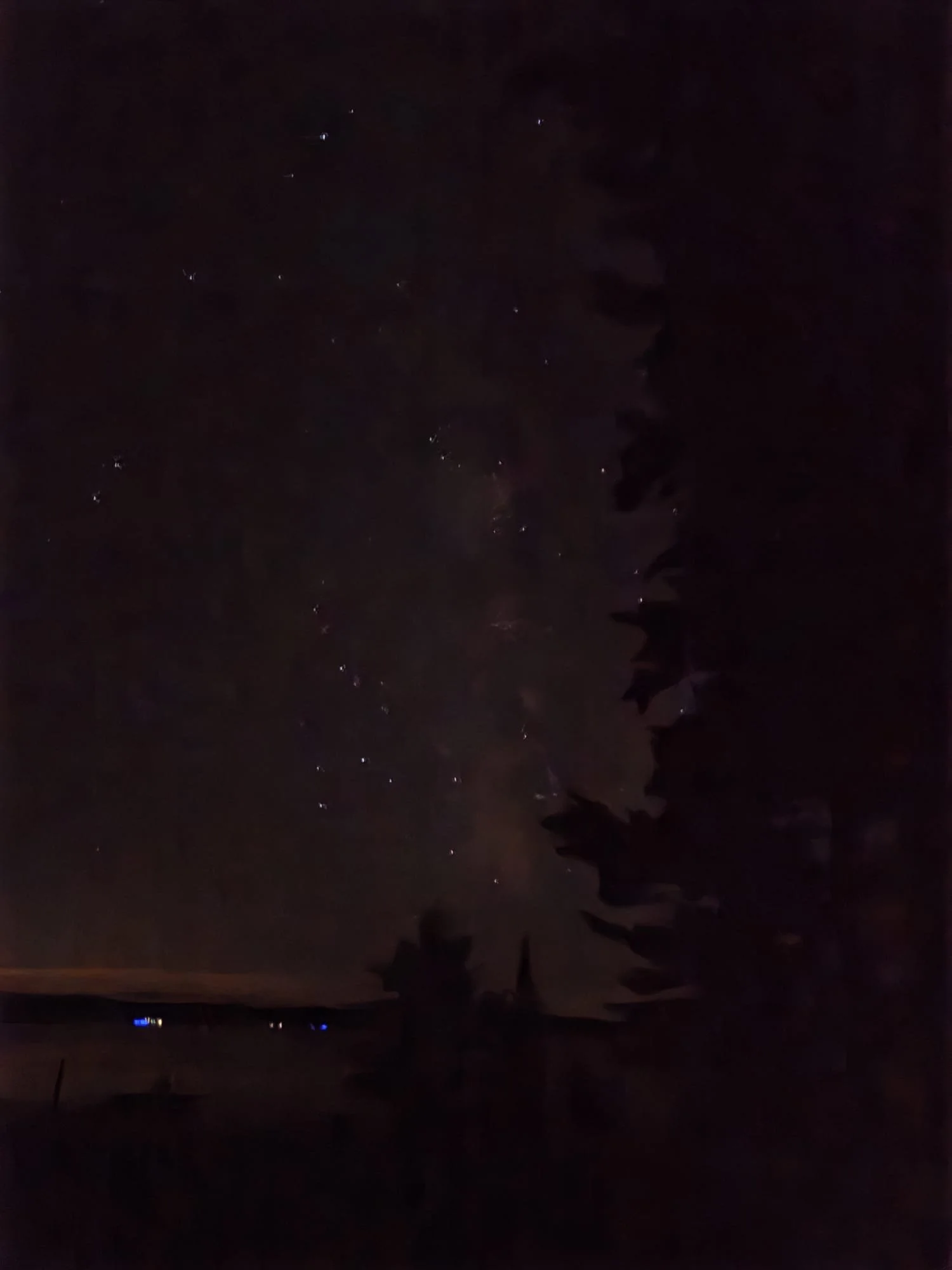
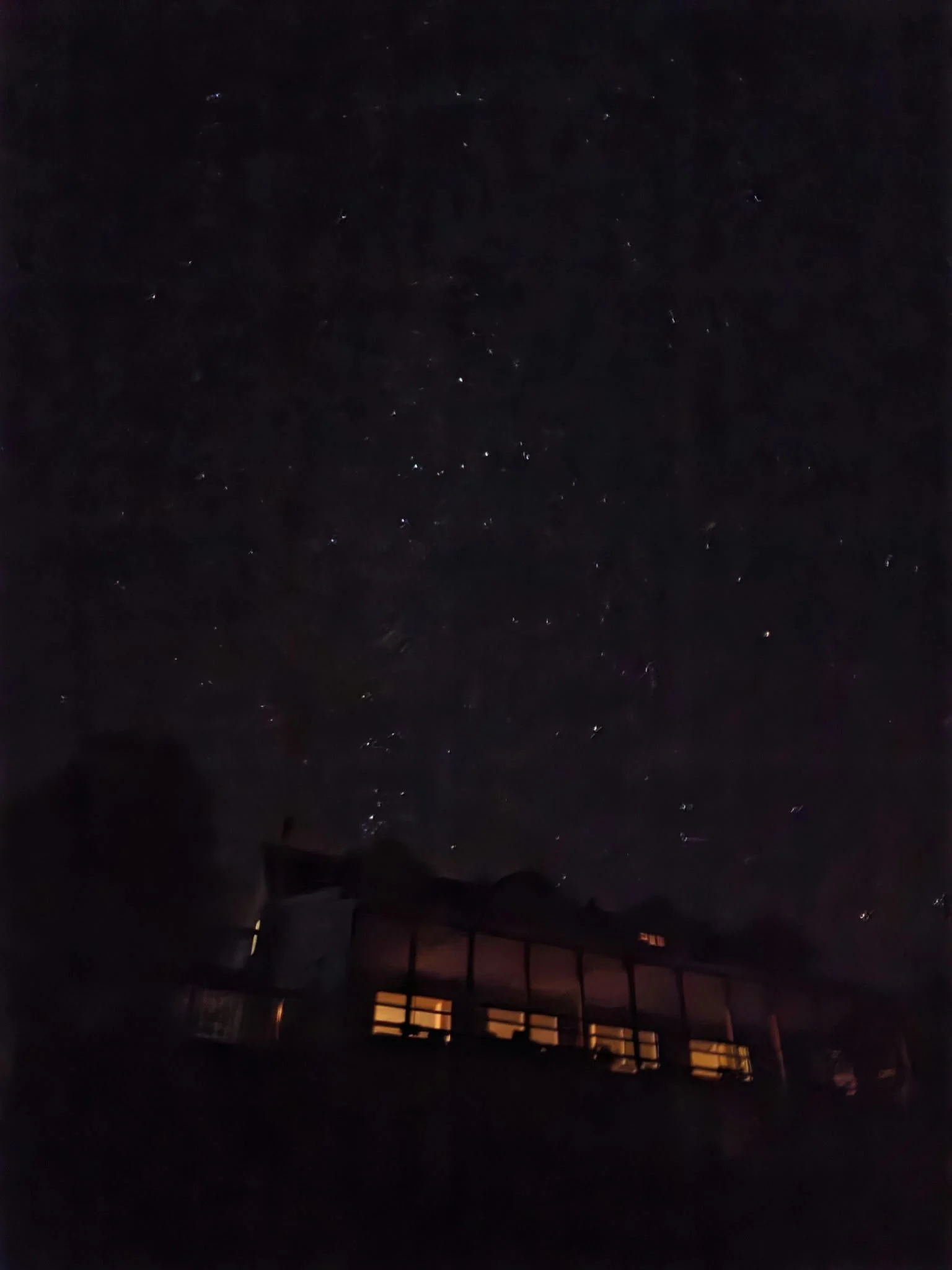
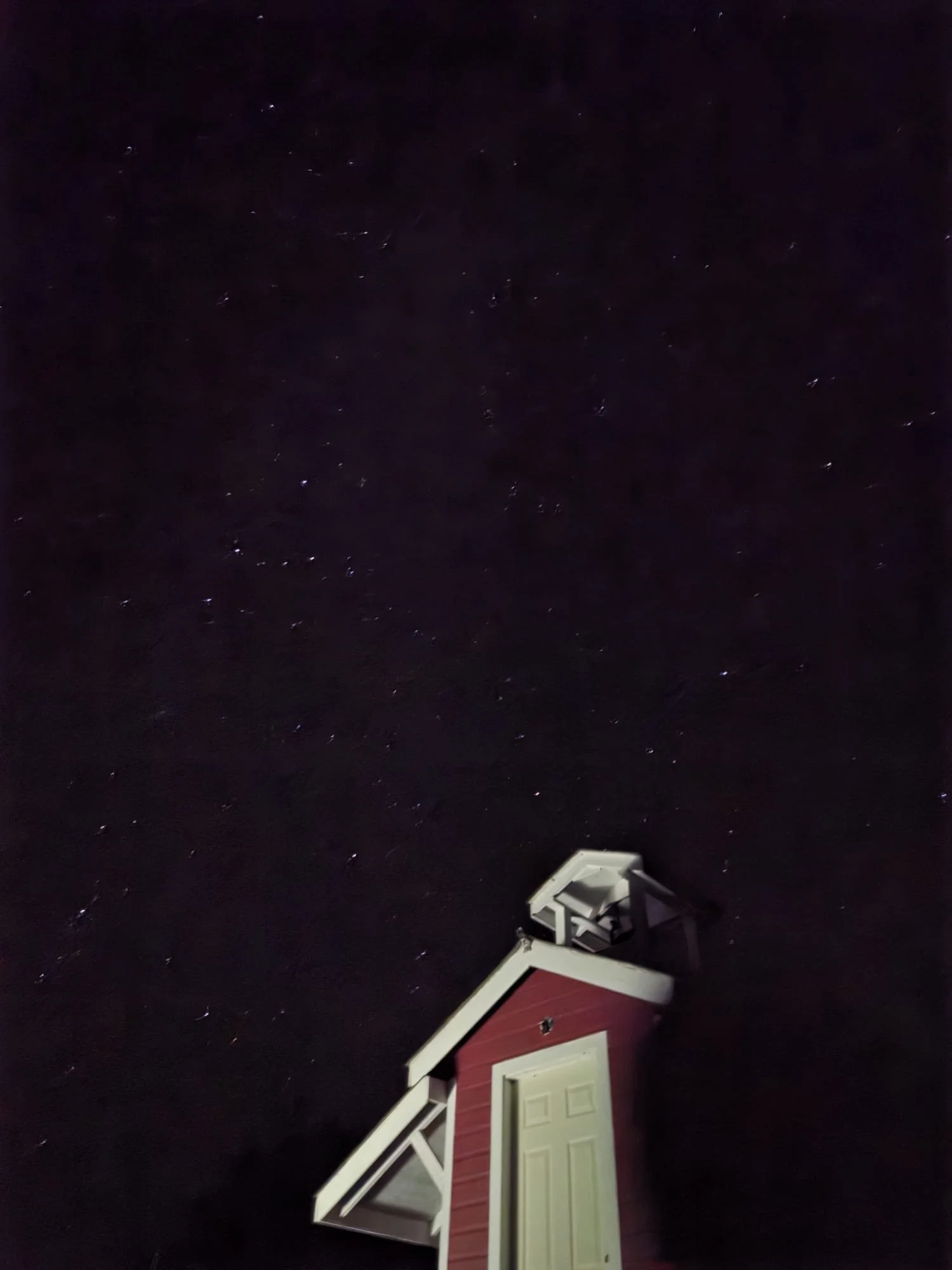
Everyone knows that our camp is special. This beautiful property that St. Vincent de Paul found just happened to give us another surprise perk. I will always remember that first time seeing the night sky, as Al and Cait, the Keasts, Eddie and Michelle Raftis, myself and a few of the Marygrove staff had gone to check out the property in the spring. We were all so impressed with the sky. As an aside, we also were impressed by the number of fireflies around the Rec Hall, hence the name Firefly Field, but unfortunately we haven’t really seen those fireflies since. Fortunately though, the stars and the Milky Way stuck around and light pollution hasn’t dimmed the beauty of the OZ night sky.